


In the fix-and-flip real estate business, shabby houses often represent the best investment opportunities. Properties that appear worn down or neglected can scare away traditional buyers, but experienced real estate investors recognize the hidden value behind cosmetic issues.
Homes with stained carpets, chipped paint, or lingering odors often sit on the market longer than comparable properties. When buyers cannot see beyond surface-level problems, they assume deeper structural issues may exist. As a result, sellers may reduce the asking price, creating an ideal opportunity for investors looking to renovate and resell quickly.
According to housing market insights from the National Association of Realtors, cosmetic improvements remain one of the most effective ways to increase resale value and attract buyers in competitive housing markets.
For investors willing to put in some effort and strategic renovations, shabby homes can become highly profitable flip projects. Many surface-level problems—such as damaged paint, worn flooring, or general grime—are inexpensive to fix but can dramatically improve a home’s appearance.
Here are three renovation strategies that can quickly transform a shabby house into a profitable flip.
Deep Clean and Sanitize the Entire Property
The first step in any cosmetic renovation project is a thorough deep cleaning. Many distressed homes that sit on the market for extended periods have simply not been maintained properly. Lingering odors, dirty walls, and grime-covered surfaces can make a home feel far worse than it actually is.
Common issues in neglected homes include:
• Cigarette smoke odors
• Pet smells
• Grease buildup in kitchens
• Dirt and stains on walls and ceilings
• Embedded debris in carpets and flooring
Before beginning major renovations, investors should start with a comprehensive cleaning process. This may involve:
• Washing walls and baseboards
• Steam-cleaning carpets
• Scrubbing kitchens and bathrooms
• Cleaning ventilation systems
• Removing odors using deep-cleaning solutions
A thorough cleaning often eliminates unpleasant smells and reveals the true condition of the home. In many cases, what initially appears to be serious damage turns out to be cosmetic dirt or staining.
Once the home is properly cleaned, investors can better evaluate which repairs and upgrades are actually necessary.
Repaint the Interior for Immediate Visual Impact
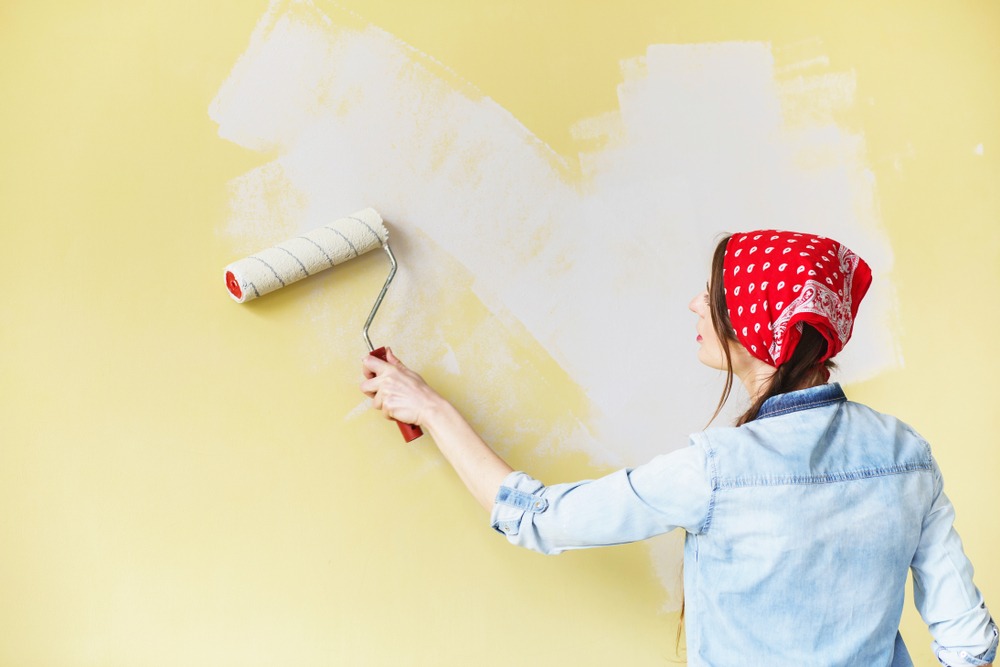
Fresh paint is one of the most effective and affordable ways to increase a home’s resale appeal. Even properties in decent condition often benefit from a new coat of paint before being listed for sale.
In neglected homes, repainting becomes even more important because it can:
• Cover stains and discoloration
• Repair visible wall damage
• Brighten interior spaces
• Modernize outdated color schemes
If the property has drywall damage such as holes or cracks, these repairs should be completed before painting. Patching drywall and sanding surfaces creates a smooth foundation for a clean paint finish.
Neutral color palettes tend to appeal to the widest range of buyers. Real estate professionals often recommend soft grays, warm whites, and light beige tones that make spaces feel brighter and more spacious.
Interior upgrades that improve visual presentation can significantly influence buyer perception during showings and open houses. Housing market studies from the National Association of Home Builders show that cosmetic updates often deliver some of the highest returns on investment for renovation projects.
Replace Worn or Damaged Carpeting
After updating the walls, investors should focus on flooring. Floors have a major impact on how clean and modern a home appears to buyers.
Hardwood floors and tile surfaces can often be restored through refinishing, polishing, or minor repairs. Carpeting, however, tends to wear out more quickly and can retain odors or stains even after deep cleaning.
Signs that carpet should be replaced include:
• Persistent stains
• Burn marks
• Strong odors
• Flattened or worn fibers
• Damage caused by pets or moisture
Replacing carpet is relatively simple compared to many other renovation tasks. The process usually involves removing baseboards, pulling up the old carpet and padding, and installing new materials.
Most investors also replace the carpet padding because it absorbs moisture and odors over time.
When selecting new carpet, investors do not need to choose luxury materials. Instead, focus on durable, neutral flooring that complements the home’s color palette and appeals to a broad range of buyers.
New flooring dramatically changes the feel of a home. A property that once looked neglected can quickly appear fresh, clean, and move-in ready.
Financing Your Fix and Flip Project
For many real estate investors, financing plays a key role in acquiring and renovating distressed properties. Fast access to capital allows investors to move quickly when attractive opportunities appear.
Center Street Lending provides specialized financing for real estate investors who purchase and renovate residential properties.
Stay tuned for Part 2, where we will explore additional strategies for transforming distressed homes into profitable real estate investments.
Center Street communications are not intended to provide business, legal, tax, investment or insurance advice. No Center Street communication should be construed as a recommendation for any business or investment strategy by Center Street or any third party. You are solely responsible for determining whether any investment, investment strategy, business strategy or related transaction is appropriate for you based on your personal investment objectives, financial circumstances and risk tolerance. Consult your legal or tax professional regarding your specific situation.


