


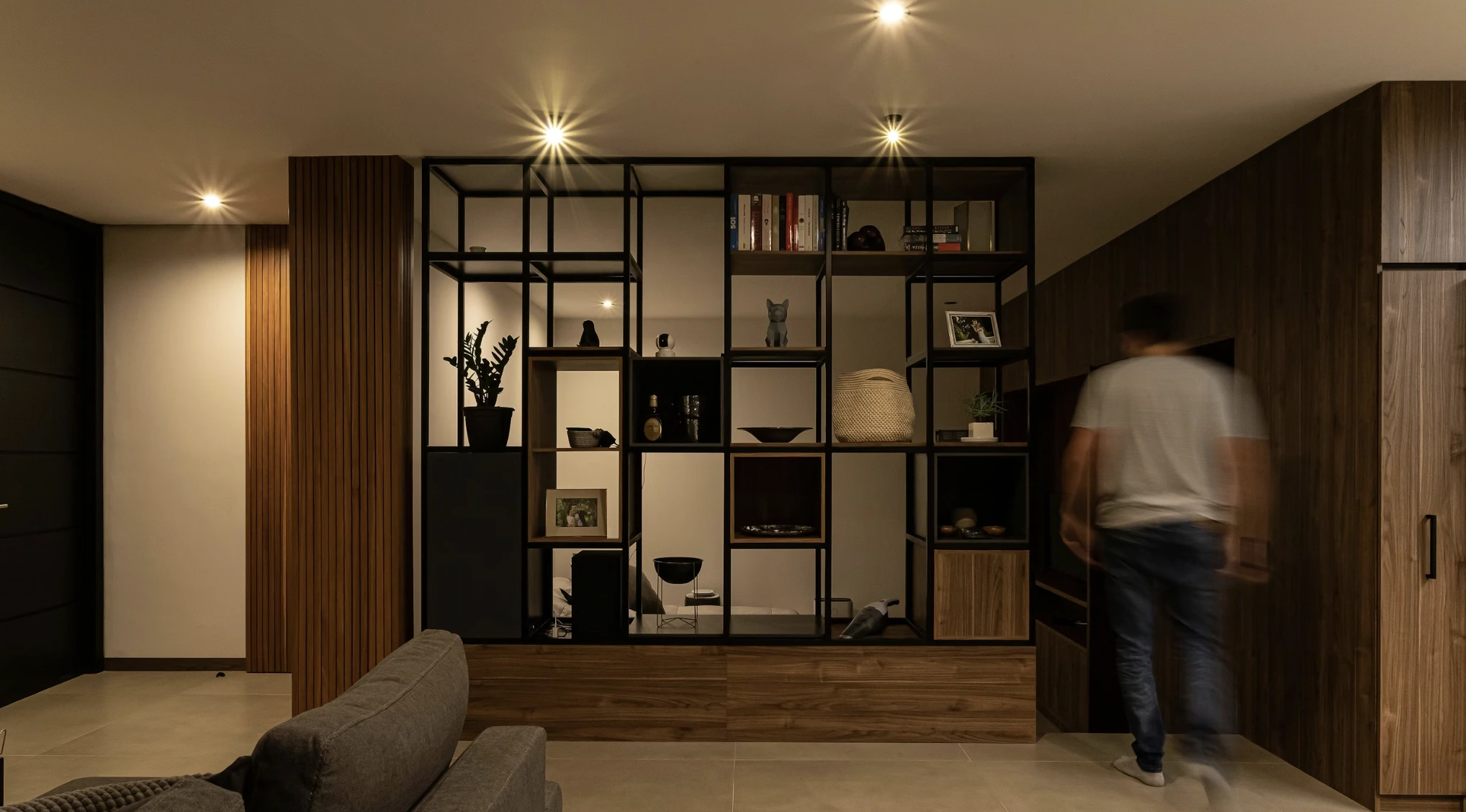
Successful house flipping isn’t just about repairing what’s broken—it’s about strategic redesign. The most profitable investors know how to look past an outdated layout or unattractive feature and envision a home that today’s buyers are willing to pay more for.
Even experienced fix-and-flip investors encounter design challenges like awkward floor plans, undersized rooms, or dated features that don’t justify full replacement costs. The good news? Many of these issues can be solved with high-impact, budget-conscious design fixes that significantly improve marketability and resale value.
Here are five proven redesign strategies that help flippers command a higher price without blowing the rehab budget.
1. Refresh (Don’t Replace) an Outdated Fireplace
Fireplaces remain a desirable feature in many markets—but replacing one can be expensive and unnecessary. If the fireplace is structurally sound but visually dated, cosmetic updates can dramatically improve buyer perception.
Smart redesign ideas include:
- Painting or resurfacing brick or stone
- Adding a reclaimed or modern mantel
- Styling the firebox with candles or decorative logs
These updates transform an eyesore into a focal point at a fraction of replacement cost.
2. Make Small Rooms Feel Larger With Strategic Design
Older homes often feature smaller, boxy rooms that feel cramped by today’s standards. While removing walls isn’t always feasible, smart design choices can visually expand the space.
Effective techniques include:
- One darker accent wall paired with lighter surrounding walls
- Consistent flooring to improve visual flow
- Appropriately scaled furniture during staging
These tricks draw the eye across the room and create the illusion of depth. Architectural Digest frequently highlights color psychology as a powerful tool for spatial perception.
3. Modernize an Outdated Kitchen Without a Full Remodel
Kitchens sell homes—but full kitchen remodels can crush margins if not carefully planned. Instead of replacing everything, focus on high-ROI upgrades:
- Repaint or refinish cabinets
- Add modern hardware and pulls
- Upgrade to energy-efficient appliances
- Restore existing floors when possible
Budget-friendly materials like bamboo or cork flooring offer a modern look while appealing to eco-conscious buyers.
4. Invest in Professional Home Staging
Staging is no longer optional—it’s a competitive necessity. A professionally staged home helps buyers visualize the space and emotionally connect with the property.
Benefits of staging include:
- Faster sales
- Higher perceived value
- Better online listing performance
The National Association of Realtors (NAR) reports that staged homes sell faster and for more money than vacant properties.
Savvy investors treat staging as a standard line item in every rehab budget.
5. Boost Curb Appeal for a Strong First Impression
Curb appeal sets buyer expectations before they step inside. Fortunately, exterior improvements are often inexpensive but highly effective.
Focus on:
- Clearing weeds and overgrowth
- Adding simple shrubs and seasonal flowers
- Repainting the front door
- Updating exterior lighting or house numbers
A clean, inviting exterior signals that the home has been well cared for—making buyers more confident in their offer.
Design Smarter, Not More Expensive
Maximizing resale value isn’t about spending more—it’s about spending strategically. By addressing common design challenges with creative, cost-effective solutions, fix-and-flip investors can increase buyer appeal, shorten days on market, and protect profit margins.
Finance Your Redesign Strategy With Confidence
At Center Street Lending, we help real estate investors fund smart renovations that drive returns. Our fix-and-flip loans are designed to support both cosmetic updates and larger rehab strategies—without unnecessary delays.
If you’re planning your next flip and want financing that keeps your project moving, we’re here to help.
Center Street communications are not intended to provide business, legal, tax, investment, or insurance advice. No Center Street communication should be construed as a recommendation for any business or investment strategy by Center Street or any third party. You are solely responsible for determining whether any investment, investment strategy, business strategy, or related transaction is appropriate for you based on your personal investment objectives, financial circumstances, and risk tolerance. You should consult your legal or tax professional regarding your specific situation.


