


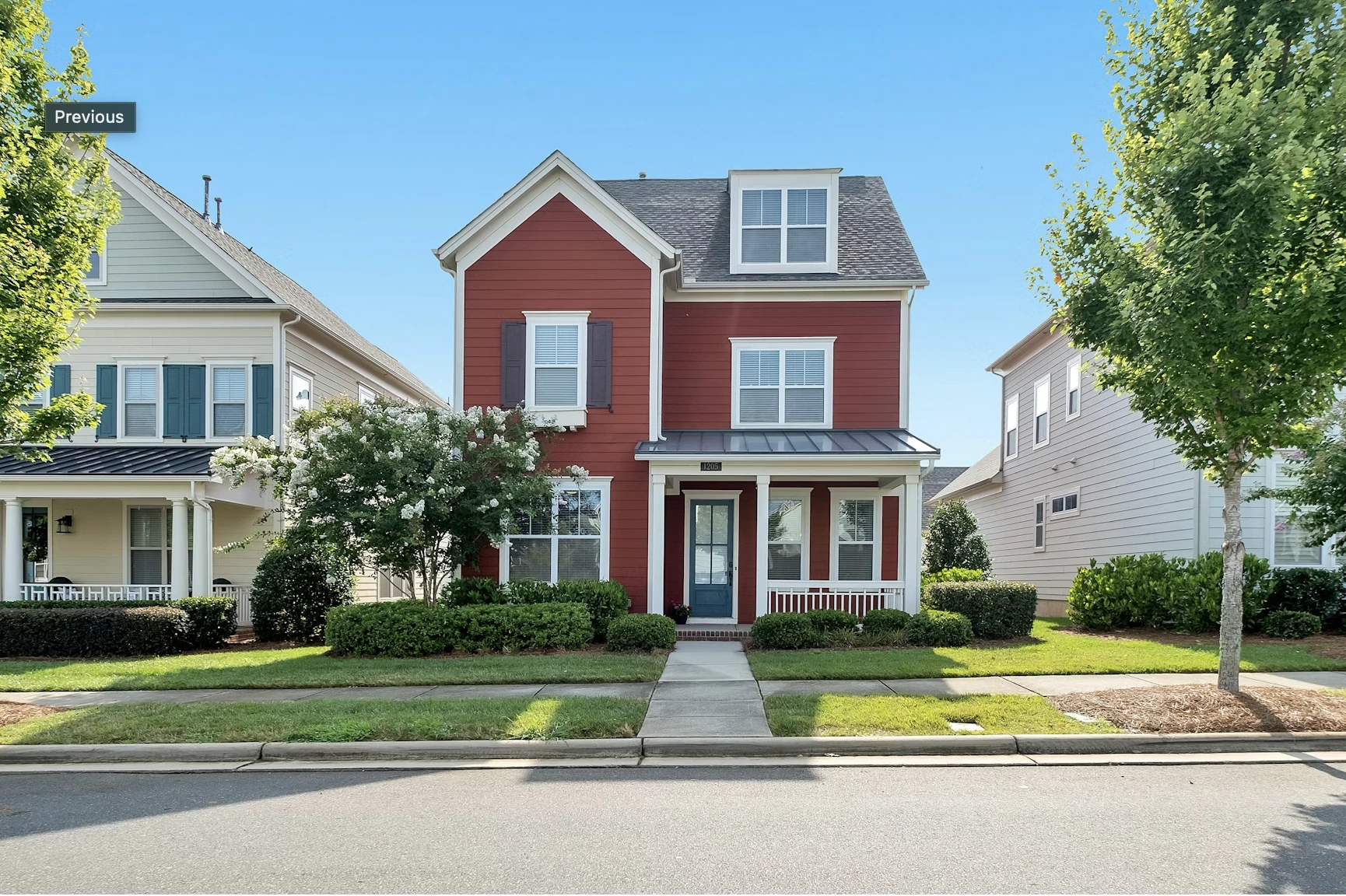
As housing inventory shortages continue across the U.S., new construction has become one of the most profitable opportunities for real estate investors. Whether you're building a single-family home or scaling into multiple ground-up projects, understanding new construction loans is essential to executing deals efficiently and profitably.
According to recent housing data, demand for newly built homes remains strong, creating ongoing opportunities for investors and builders who can access flexible financing solutions.
This guide breaks down how new construction loans work, the types available, and how investors can leverage them to grow their portfolios in 2026.
What Is a New Construction Loan?
A new construction loan—also known as a ground-up construction loan—is a short-term financing solution designed to fund the building of a residential or investment property from the ground up.
Unlike traditional mortgages, construction loans:
- Are short-term (typically 12–18 months)
- Disburse funds in stages (called draws)
- Are based on projected value rather than current value
Funds are released at key milestones such as foundation, framing, and completion, helping manage risk for both the lender and borrower.
How New Construction Loans Work
The Draw Schedule Explained
Instead of receiving a lump sum, borrowers access capital through a structured draw schedule tied to construction progress.
Typical stages include:
- Site preparation and foundation
- Framing
- Plumbing and electrical
- Interior finishes
- Final completion
Borrowers typically pay interest only on the funds that have been disbursed, improving cash flow during the build phase.
Transition to Permanent Financing
Once construction is complete, the loan is either:
- Paid off through a sale (common for investors), or
- Replaced with a long-term mortgage (construction-to-permanent loan)
Construction-to-permanent loans can be structured as:
- One-time close loans (single closing)
- Two-time close loans (separate construction and mortgage closings) ()
Types of New Construction Loans in 2026
Ground-Up Construction Loans for Investors
These loans are ideal for:
- Fix-and-flip investors building spec homes
- Build-to-rent strategies
- Small-scale developers
They typically feature:
- Interest-only payments
- Fast approvals compared to traditional banks
- Asset-based underwriting focused on the project
Construction-to-Permanent Loans
Best suited for:
- Owner-occupants
- Long-term rental investors
These loans combine construction financing with a traditional mortgage, reducing closing costs and simplifying the process.
Government-Backed Construction Loans
Certain borrowers may qualify for:
- VA construction loans (for eligible veterans)
- USDA construction loans (for rural properties)
VA construction loans, for example, may offer no down payment and flexible qualification requirements.
USDA programs can even combine land purchase and construction into a single loan with one closing.
Key Requirements for New Construction Loans
Equity and Down Payment
Most lenders require:
- 20–30% equity for owner-occupied builds
- 30–40% for investment properties ()
Approved Builder and Plans
Lenders typically require:
- Licensed general contractor
- Detailed construction plans
- Fixed-price building contract
- Permits and approvals
Experience and Track Record
For investor-focused loans, lenders often prefer:
- Previous construction or renovation experience
- Proven ability to manage timelines and budgets
Benefits of New Construction Loans
Build to Market Demand
New construction allows investors to design properties that align with current buyer preferences, increasing resale value and speed.
Higher Profit Potential
Ground-up construction often delivers stronger margins than renovations, especially in supply-constrained markets. ()
Flexible Financing Structures
Private and hard money lenders offer more flexible underwriting compared to traditional banks, focusing on the deal rather than strict income documentation. ()
Risks and Challenges to Consider
Construction Delays and Cost Overruns
Material costs, labor shortages, and permitting delays can impact timelines and profitability.
Market Volatility
Changes in interest rates or buyer demand during construction can affect exit strategies.
Complexity Compared to Fix-and-Flip
Ground-up construction requires:
- More planning
- More capital
- Stronger project management skills
Best Practices for Real Estate Investors
Start with a Solid Exit Strategy
Know whether you plan to:
- Sell immediately after completion
- Refinance into a rental loan
- Hold long-term for cash flow
Work with Experienced Lenders
Choosing the right lending partner ensures:
- Faster closings
- Reliable draw schedules
- Clear communication throughout the project
Build a Reliable Team
Success in new construction depends on:
- Contractors
- Architects
- Inspectors
- Real estate agents
Why New Construction Loans Are a Key Strategy in 2026
With the U.S. facing a significant housing shortage, new construction remains a critical solution for adding inventory and meeting demand.
For investors, this creates a powerful opportunity to:
- Enter underserved markets
- Build modern, high-demand properties
- Scale operations with repeatable processes
Final Thoughts: Building Smarter with the Right Financing
New construction loans are one of the most powerful tools available to real estate investors in 2026. While they require more planning and expertise than traditional deals, they offer unmatched flexibility, scalability, and profit potential.
At Center Street Lending, we specialize in helping investors fund ground-up construction projects with speed, efficiency, and confidence. Whether you're building your first spec home or expanding into multiple developments, the right financing strategy can be the foundation of your long-term success.


